
 Global wholesale
Agentic Procurement vs Traditional B2B Procurement
Compare agentic procurement with traditional B2B sourcing across product search, SKU evidence, quantity checks, RFQs, approvals and commercial control.
Reviewed and updated 2026-08-18What buyers should remember
- Traditional procurement moves data manually; agentic procurement structures and reuses it.
- The strongest advantage is faster evidence-backed preparation, not unchecked autonomy.
- Exact SKU identity, MOQ, stock and packing remain the basis of the comparison.
- Both models still require commercial confirmation and authorized payment controls.
Compare real China-stock product facts.
Stock is not reserved until commercial confirmation.
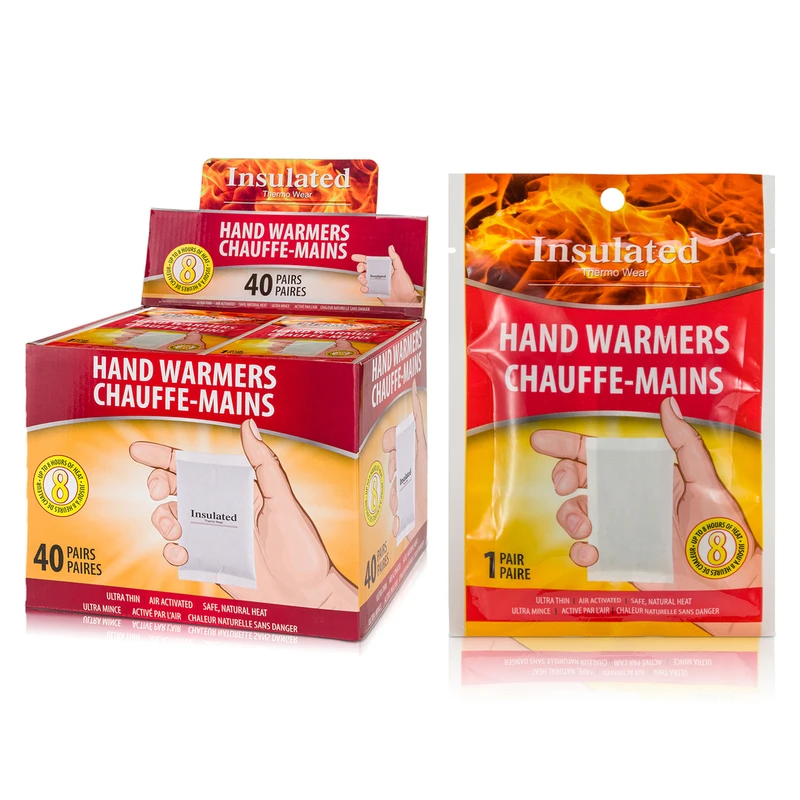 SKU 19000Insulated Air Activated Hand Warmers 1 Pair$0.26
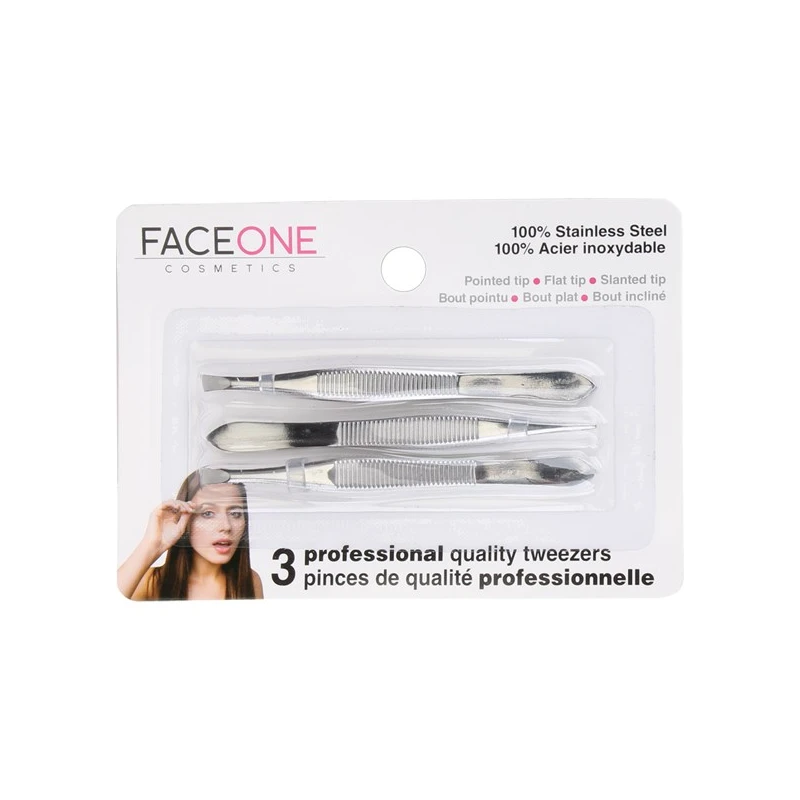 SKU 20009FaceOne Tweezers 3PK$0.39
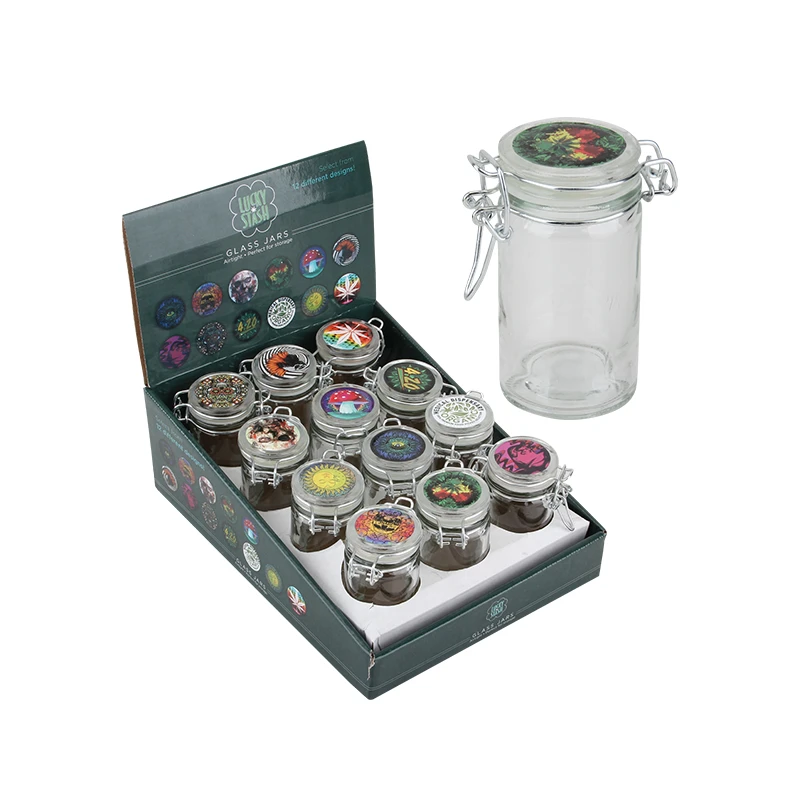 SKU 33047Lucky Stash Glass Jar Air Tight 2.4oz Printed$0.41
| SKU | Product | Unit price | Minimum order quantity | Available now | Pieces per carton | Carton volume | Stock update |
|---|---|---|---|---|---|---|---|
| 19000 | Insulated Air Activated Hand Warmers 1 Pair | $0.26 | 240 | 0 | 240 | 0.048 m³ | |
| 20009 | FaceOne Tweezers 3PK | $0.39 | 96 | 2,688 | 96 | 0.011 m³ | |
| 33047 | Lucky Stash Glass Jar Air Tight 2.4oz Printed | $0.41 | 72 | 27,432 | 72 | 0.036 m³ |
Agentic procurement vs traditional procurement
| Procurement task | Traditional workflow | Agentic workflow |
|---|---|---|
| Buying brief | Buyer restates requirements in searches, messages and spreadsheets | Agent structures constraints once for search and RFQ preparation |
| Product discovery | Buyer opens listings and copies candidate details manually | Agent retrieves exact SKUs and presents comparable published facts |
| Quantity checks | MOQ, increments and cartons are checked line by line | Agent validates rules and calculates handling estimates from recorded data |
| RFQ preparation | Buyer rebuilds the product list and destination requirements | Agent prepares a draft that the buyer can review and submit |
| Commercial decision | People confirm and approve the final quotation | People still confirm and approve; the agent summarizes evidence and conditions |
Compare the work removed, not just the interface
Adding a chat box to a catalog does not create agentic procurement. The practical change is that the system can carry a structured buying brief through discovery, comparison, quantity planning and RFQ preparation without forcing the buyer to re-enter the same facts at every step.
The agent should produce an auditable result: exact candidate SKUs, the fields used in the comparison, calculated quantity implications and a list of unresolved conditions.
Keep supplier-recorded facts separate from agent calculations
Traditional spreadsheets often blur copied supplier data, buyer assumptions and formulas. An agentic workflow should label what came from the product record, what was calculated from those fields and what must be confirmed through the RFQ.
For example, MOQ and buying increment are supplier-recorded buying constraints. Estimated cartons, weight and volume can be calculated. Freight price, current allocation and destination eligibility require commercial or operational confirmation.
- Published: SKU, price, MOQ, increment, stock and pack fields when recorded.
- Calculated: valid quantity steps, estimated cartons, weight and volume.
- Confirmed later: allocation, freight, Incoterm, route and destination conditions.
Use agentic procurement where repetition creates buyer friction
The model is most useful when a buyer evaluates many products, applies the same commercial filters and needs a consistent RFQ package. It reduces search and preparation work while preserving the evidence trail needed by sourcing, sales and operations.
For a single simple reorder, a conventional saved list may already be efficient. Agentic assistance earns its place when it improves comparison quality, exposes missing data or removes repeated manual transfer between procurement stages.
Buyer questions, answered directly
What is the main difference between agentic and traditional procurement?
Traditional procurement requires people to transfer and recheck information across stages. Agentic procurement lets an AI agent perform defined search, comparison and preparation tasks using a persistent buying brief and published evidence.
Is agentic procurement the same as procurement automation?
It overlaps with automation, but an agent can interpret goals, select tools and prepare the next action within defined controls. Fixed automation usually follows a predetermined rule or sequence.
Does agentic procurement replace procurement teams?
No. It can reduce repetitive discovery, comparison and RFQ preparation. Buyers and authorized teams still make product, supplier, quotation, allocation and payment decisions.
When is traditional procurement still enough?
A simple reorder or a small, stable catalog may not need an agent. Agentic assistance is more useful when requirements, products, quantities or evidence must be compared repeatedly.
How can buyers evaluate an agentic procurement platform?
Check whether recommendations resolve to exact SKUs, show their evidence, distinguish published and calculated fields, preserve approvals and keep unsupported claims visible as open questions.